
Peer Support Services in Mental Health: How Lived Experience Strengthens Recovery
Peer Support Services in Mental Health play a powerful role in recovery because they connect individuals with trained advocates who have lived through similar challenges. Peer support happens every day in life. However, in mental health care, it becomes structured, intentional, and deeply impactful. Most importantly, it offers hope through shared experience.
When someone faces a mental health challenge, they often feel isolated. Therefore, hearing from someone who has walked a similar path can reduce fear and stigma. Because peer advocates use their own recovery journeys, they build trust quickly and authentically.
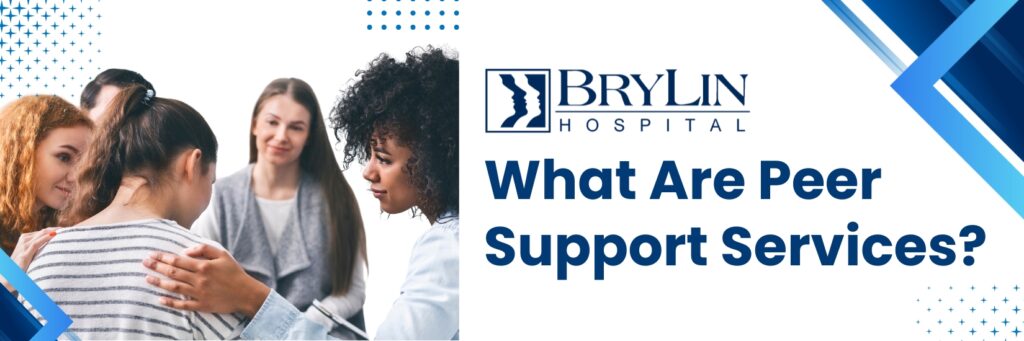
What Are Peer Support Services?
Peer Support Services in Mental Health are provided by individuals who have lived experience with psychiatric illness and who are trained and certified to support others. These credentialed peer advocates offer encouragement, emotional support, and practical guidance.
They also share coping strategies and recovery tools. In addition, they help patients connect with community-based resources that support long-term wellness. Most importantly, they show that recovery is possible because they are living proof of it.
According to the Substance Abuse and Mental Health Services Administration (SAMHSA), peer support improves engagement, reduces hospitalizations, and strengthens recovery outcomes. Therefore, many behavioral health systems now integrate peer services into treatment plans.
How Peer Support Services Help Patients Engage in Care
Some individuals feel hesitant to begin treatment. Others struggle to stay engaged. Because traditional clinical settings can feel intimidating, Peer Support Services in Mental Health often serve as a welcoming entry point.
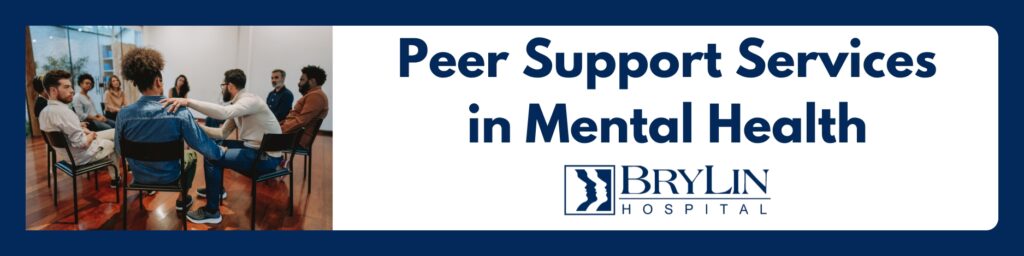
Peer advocates meet individuals where they are. As a result, patients feel understood rather than judged. Moreover, peer-led support groups create safe spaces for honest conversation.
At BryLin Hospital, credentialed peers from Mental Health Advocates of Western New York (MHA) partner with our clinical teams. Two credentialed peer advocates visit every Tuesday, Thursday, and Saturday. Therefore, patients receive consistent and reliable support.
Adults and adolescents participate in peer groups twice weekly. Children in groups participate once weekly. This partnership has continued for many years, which reflects our shared commitment to recovery-focused care.
Why Lived Experience Matters
Clinical expertise is essential in mental health treatment. However, lived experience adds another powerful dimension. Because peer advocates have faced similar struggles, they model resilience in real time.
They also reduce stigma by speaking openly about recovery. Consequently, patients often feel more hopeful about their own progress. Most importantly, peer advocates reinforce that setbacks do not define a person’s future.
Research consistently shows that peer support increases engagement and satisfaction in care. Therefore, integrating Peer Support Services in Mental Health strengthens the overall treatment experience.
Looking Ahead: Expanding Family Peer Advocacy
Recovery affects more than the individual. Families and loved ones often need guidance as well. Because navigating mental health systems can feel overwhelming, we are currently exploring to bring back family peer advocates.
Family peer advocates would attend visits and help loved ones understand the treatment process. In addition, they would provide emotional support and practical resources. Therefore, families could feel more confident and empowered during a difficult time.
At BryLin Hospital, we believe recovery thrives in community. Most importantly, we believe that shared experience fosters hope, connection, and healing.
If you would like to learn more about our programs and services, please visit BryLin Hospital or call (716) 886-8200.
*Learn More: Read about other alternative therapies like Art Therapy, Music Therapy and Pet Therapy.
Comments are closed