
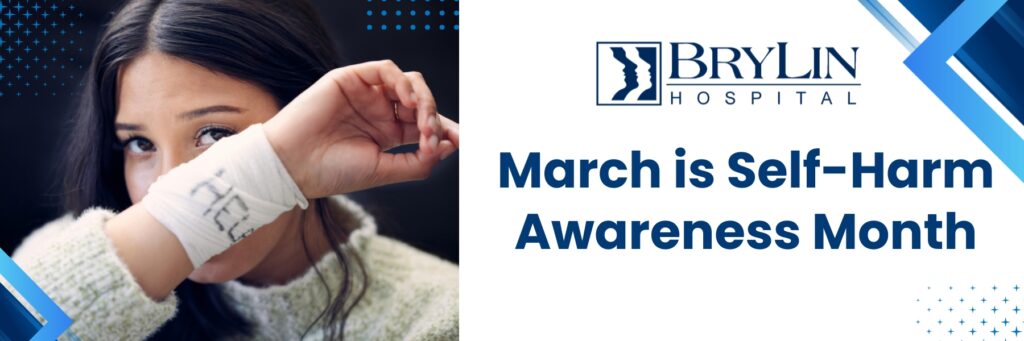
Self-Harm Awareness Month: Understanding Self-Injury and How to Help
Self-Harm Awareness Month is observed every March to bring attention to self-injury, a serious but often hidden mental health concern. Self-harm, also known as self-injury, self-mutilation, or self-abuse, occurs when someone repeatedly harms themselves on purpose in an impulsive way that is not intended to be lethal. However, although self-harm is not a suicide attempt, individuals who engage in self-injury face a significantly higher risk of attempting suicide if they do not receive proper help and support.
Therefore, raising awareness during Self-Harm Awareness Month helps families, educators, and healthcare professionals recognize warning signs early. Most importantly, early intervention can save lives.
What Is Self-Injury?
Self-injury is often referred to clinically as non-suicidal self-injury (NSSI). People who self-harm typically use it as a way to cope with overwhelming emotions, trauma, anxiety, depression, or feelings of numbness. Because emotional pain can feel unbearable, some individuals turn to physical pain as a temporary release.
While the behavior may provide short-term relief, it does not address the underlying issue. As a result, the cycle often continues unless treatment interrupts it.
Common Methods of Self-Harm
Research shows that the most common forms of self-injury include:
- Skin cutting (70–90%)
- Head banging or hitting (21%–44%)
- Burning (15%–35%)
In addition, other forms of self-harm may include excessive scratching until bleeding occurs, punching oneself or objects, intentionally infecting wounds, inserting objects into body openings, drinking harmful substances such as bleach or detergent, or purposely breaking bones. Most individuals who engage in non-suicidal self-injury use more than one method.
Why Self-Harm Awareness Month Matters
Self-Harm Awareness Month matters because self-injury often remains hidden. Many individuals feel shame or fear judgment, so they conceal their injuries. Consequently, parents and loved ones may not recognize the signs right away.
Warning signs may include:
- Unexplained cuts, burns, or bruises
- Wearing long sleeves even in warm weather
- Frequent “accidents” or excuses for injuries
- Withdrawal from friends or family
- Emotional instability or intense mood swings
If these signs appear, it is important to respond calmly. Most importantly, avoid criticism or punishment, because shame can increase the behavior.
The Link Between Self-Harm and Suicide Risk
Although self-harm is not intended to be lethal, it significantly increases suicide risk over time. Therefore, mental health professionals take self-injury very seriously. Early treatment reduces long-term risk and improves emotional regulation skills.
If someone is in immediate danger, call 911. You can also contact the 988 Suicide & Crisis Lifeline for free, confidential support.
Treatment and Support Options
Fortunately, self-injury is treatable. Evidence-based therapies such as Cognitive Behavioral Therapy (CBT) and Dialectical Behavior Therapy (DBT) help individuals build healthier coping skills. In some cases, providers may recommend medication to treat underlying depression, anxiety, or trauma-related disorders.
If you are seeking help for a loved one, consider reaching out to a licensed mental health professional. You can also learn more about mental health treatment options on our Resources page or learn how to get crisis mental health care at BryLin Hospital.
Most importantly, approach conversations with empathy. Say, “I care about you,” instead of “Why are you doing this?” Because support reduces isolation, compassionate dialogue makes a powerful difference.
Breaking the Stigma During Self-Harm Awareness Month
During Self-Harm Awareness Month, we encourage open conversations about emotional pain. When communities speak openly, stigma decreases. As stigma decreases, more individuals seek help. Therefore, awareness is not just symbolic—it is life-saving.
If you or someone you love struggles with self-injury, know that help is available. Recovery is possible, and healing begins with one brave conversation.
Comments are closed