
PTSD Awareness Month: Understanding Trauma, Symptoms, and Hope for Recovery
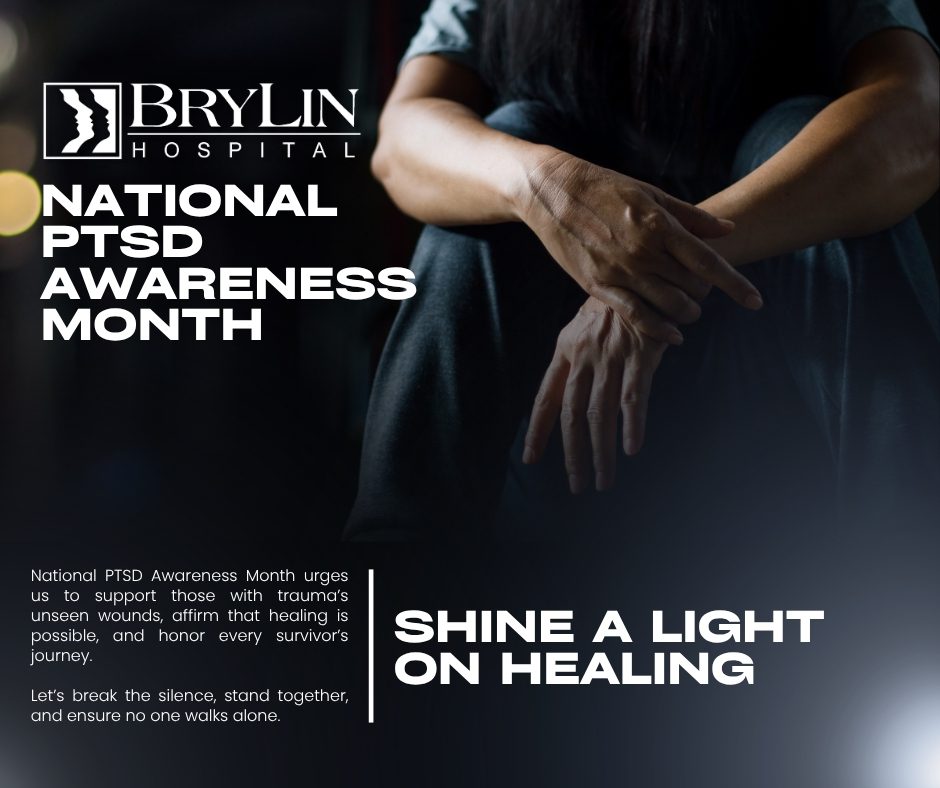
PTSD Awareness Month is observed each June, and it brings attention to the lasting impact of trauma. Most importantly, PTSD Awareness Month helps reduce stigma and encourages people to seek care early because early intervention improves outcomes significantly.
During PTSD Awareness Month, mental health professionals, families, and communities come together to share education and resources. Therefore, this month serves as a reminder that post-traumatic stress disorder (PTSD) is treatable and that recovery is possible with the right support.
What PTSD Is and Why Awareness Matters
PTSD is a mental health condition that can develop after a person experiences or witnesses trauma. For example, trauma may include violence, serious accidents, natural disasters, or prolonged stress. According to the National Institute of Mental Health, symptoms can include flashbacks, avoidance behaviors, and heightened anxiety.
Most importantly, this month highlights that these symptoms are not a sign of weakness. Instead, they are a natural response to overwhelming experiences. As a result, individuals should feel encouraged—not ashamed—to seek support.
Common Symptoms of PTSD
PTSD symptoms can vary widely, because each person experiences trauma differently. However, there are common patterns clinicians often see:
- Intrusive memories or nightmares
- Avoidance of reminders of trauma
- Negative changes in mood or thinking
- Heightened alertness or irritability
Furthermore, symptoms may appear shortly after trauma or even years later. Therefore, awareness and early recognition during PTSD Awareness Month are critical for timely intervention.
Treatment and Paths to Recovery
Effective treatment options exist, and recovery is possible. For example, therapies such as Cognitive Behavioral Therapy (CBT) and Eye Movement Desensitization and Reprocessing (EMDR) have shown strong results. In addition, medication may help manage symptoms for some individuals.
At BryLin Hospital, we support individuals facing trauma-related challenges through compassionate, evidence-based care. You can learn more about our services here:
BryLin Hospital Crisis Mental Health Care Services.
Most importantly, treatment works best when people engage early. Therefore, PTSD Awareness Month encourages individuals and families to reach out before symptoms become overwhelming.
Supporting Loved Ones During PTSD Awareness Month
Families and friends play a vital role in recovery because support systems improve outcomes. For instance, listening without judgment and encouraging professional help can make a meaningful difference. Furthermore, patience is essential since recovery takes time.
In addition, community education reduces stigma. As a result, more people feel safe discussing their experiences and accessing care.
Conclusion: Hope and Healing Are Possible
PTSD Awareness Month reminds us that trauma does not define a person’s future. Instead, with treatment, support, and understanding, individuals can rebuild their lives. Most importantly, no one has to navigate PTSD alone.
For more information on trauma-related care, visit the American Psychiatric Association.

Comments are closed