

Back-to-School Mental Health: When Your Child Needs More Than a Fresh Start
The start of a new school year brings excitement, new routines, and new opportunities. However, it can also create significant emotional stress for children and teens. Back-to-school mental health should be part of every family’s preparation for August and September. Anxiety, depression, behavioral changes, and academic or social pressure can become harder to manage as summer ends.
Most importantly, parents do not have to wait until a situation becomes an emergency before seeking help. Knowing the warning signs and understanding your options can help your family respond sooner. Therefore, if your child is struggling, consider contacting a mental health professional before symptoms become more serious.
Why the New School Year Can Be Difficult
Returning to school means more than buying notebooks and adjusting bedtimes. Children may worry about grades, friendships, bullying, teachers, sports, or fitting in. Younger children may struggle with separation from parents. Meanwhile, teenagers may face increased academic and social pressure.
For children already dealing with anxiety, depression, ADHD, trauma, or other behavioral health concerns, these changes can feel overwhelming. A child who seemed comfortable during the summer may suddenly have trouble sleeping, refuse to attend school, withdraw from friends, or experience emotional outbursts.
Because every child responds differently, parents should pay attention to changes in behavior rather than looking for one specific symptom.
Signs Your Child May Need Mental Health Support
Some nervousness about a new school year is normal. However, significant or persistent changes deserve attention. Watch for:
- Persistent sadness, anxiety, or irritability
- Withdrawal from family and friends
- Frequent crying or emotional outbursts
- Changes in sleeping or eating habits
- Loss of interest in activities they normally enjoy
- Frequent headaches, stomachaches, or other physical complaints
- Refusal to attend school
- Sudden changes in grades or behavior
- Talk about hopelessness, self-harm, or suicide
- Severe mood changes, confusion, hallucinations, or other concerning behavior
Most importantly, take any comments about suicide or self-harm seriously. If your child is in immediate danger, call 911 or use an appropriate emergency crisis resource. You can also call or text the 988 Suicide & Crisis Lifeline for immediate crisis support.
When Your Child Needs More Than Outpatient Support
Sometimes therapy, medication management, school support, and family intervention are not enough. A child or teenager may experience symptoms that require a higher level of psychiatric care.
For example, inpatient psychiatric treatment may become appropriate when a young person cannot safely function at home, experiences severe depression or mania, has thoughts of self-harm, experiences psychosis, or needs close monitoring and stabilization.
Therefore, families should know their options before a crisis occurs. In Western New York, that may include contacting a psychiatric hospital directly to discuss the situation and determine the safest next step.
Consider Calling BryLin Hospital Before Going to the Emergency Room
When a child experiences a serious mental health crisis, many parents automatically head to the nearest emergency room. However, an emergency department may involve long and inconvenient waits, a crowded environment, and additional stress for a child who is already struggling. In many cases, families may also be acting on guidance from a primary care provider, a mental health outpatient therapist or psychiatrist, or even recommendations and support from the child’s school or school-based mental health team.
Calling BryLin Hospital first may help your family determine whether psychiatric hospitalization is appropriate without immediately going to the emergency room.
BryLin Hospital provides short-term inpatient psychiatric care for children, adolescents, and adults experiencing significant behavioral health concerns. The hospital accepts voluntary admissions seven days a week. Families can speak directly with a psychiatric registered nurse who can assess the situation and help determine the most appropriate next step.
There is no physician referral required to begin the conversation. BryLin can also assist with insurance benefits verification. Depending on the situation, the clinical team may recommend hospitalization or another level of care that better meets the person’s needs.
Call BryLin Admissions at (716) 886-8200 ext. 2264.
**Important: BryLin Hospital does not operate a psychiatric emergency room and does not provide walk-in emergency evaluations. Families should call before going to the hospital so the team can help determine the safest and most appropriate option.
Learn more about getting help for yourself, your child, or a family member at BryLin Hospital.
How BryLin Can Help Children and Adolescents
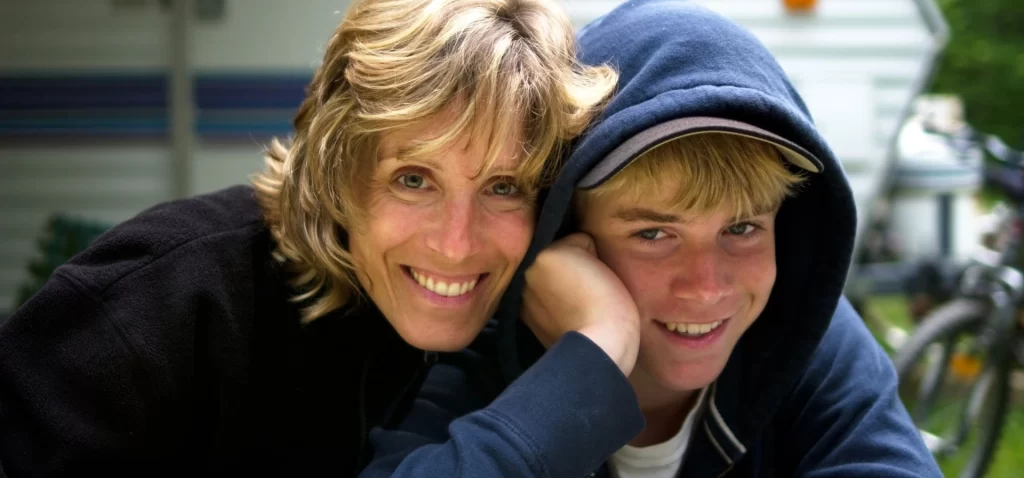
BryLin’s Child & Adolescent Program provides inpatient psychiatric care for young people who need a structured environment during a mental health crisis. The goal is to help stabilize symptoms while developing an individualized treatment plan.
During treatment, children and adolescents can receive psychiatric care, therapy, structured programming, and other supportive services. The treatment team works with patients and families to help identify needs and plan for continued care after discharge.
Because early intervention matters, parents should not feel that they have to wait until their child reaches a breaking point. A conversation with a psychiatric professional can help clarify what comes next.
*Download the Child & Adolescent Program Book here
Prepare Your Child for a Healthier School Year
Mental health support should not begin only when a crisis occurs. Instead, families can take several steps before school starts.
• Reconnect With Your Child’s Care Team
If your child sees a therapist, psychiatrist, or other behavioral health provider, schedule an appointment before the school year begins. Review medications, coping strategies, sleep patterns, and concerns about the upcoming school year.
• Talk With the School
Reach out to your child’s school counselor, psychologist, social worker, or teacher. If your child has an Individualized Education Program (IEP) or 504 Plan, review accommodations before classes begin.
• Rebuild Healthy Routines
Summer schedules can make returning to school difficult. Therefore, gradually restore regular bedtimes, wake-up times, meals, homework routines, and physical activity before the first day.
• Listen Without Judgment
Ask your child how they feel about returning to school. Then listen. Sometimes a child needs a safe opportunity to explain what is causing stress before they are ready to accept help.
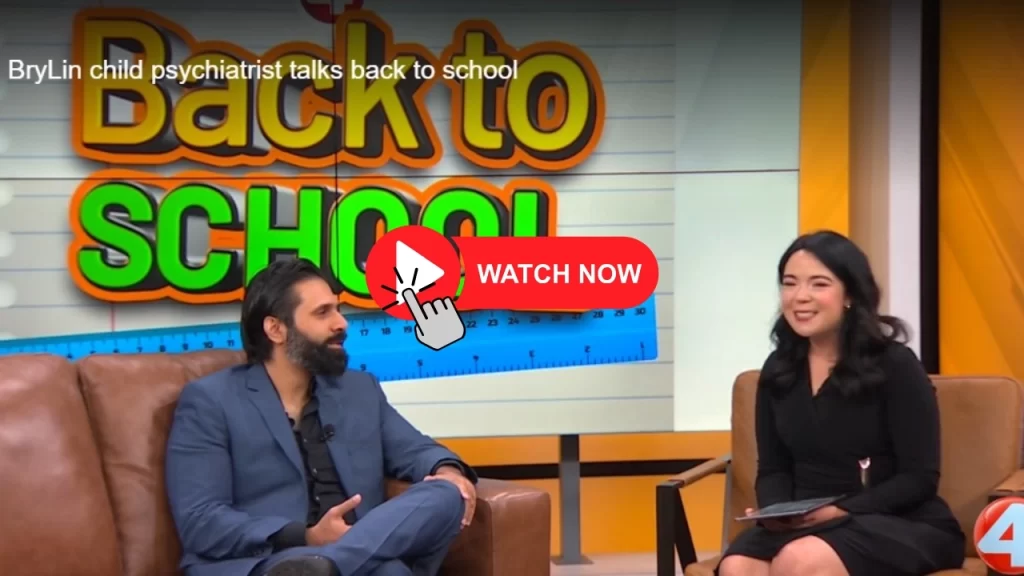
*Dr Moneeb Chohan, Director of Child & Adolescent Psychiatry at BryLin Hospital discusses children’s mental health, routines and having open conversations with your kids as they get ready to head back to school.
Know Where to Turn Before a Crisis Happens
Families in Western New York have several resources available when a child needs mental health support. In addition to BryLin Hospital, parents can explore community-based counseling and behavioral health services through organizations such as BestSelf Behavioral Health, Gateway Longview, and NAMI Buffalo & Erie County – just to name a few.
*See helpful resources below
For immediate crisis support, call or text 988. For a psychiatric emergency involving immediate danger, seek emergency assistance or call 911.
Most importantly, remember that asking for help is not a failure. It is an important step toward keeping your child safe and helping them return to a healthier routine.
Don’t Wait Until the Crisis Gets Worse
The new school year can bring challenges for children and families. However, those challenges do not have to become overwhelming.
If your child or teenager is experiencing a serious mental health or behavioral health crisis and you believe inpatient psychiatric care may be needed, call BryLin Hospital before heading to the emergency room. A psychiatric registered nurse can discuss the situation with you and help determine the next appropriate step.
Call BryLin Admissions: (716) 886-8200 ext. 2264.
Learn more about psychiatric crisis care at BryLin Hospital.
With HELP, There’s HOPE.
—

Comments are closed