
Back-to-School Mental Health Support: Helping Children and Teens Navigate the Transition into a New School Year
For many families, August signals the final weeks of summer fun. However, it also marks the beginning of a significant transition. As the new school year approaches, back-to-school mental health support becomes increasingly important for children and adolescents who may struggle with anxiety, depression, behavioral challenges, or other emotional concerns.
While many students look forward to seeing friends and returning to familiar routines, others experience overwhelming stress. New teachers, academic expectations, changing social dynamics, sports, extracurricular activities, and disrupted sleep schedules can all contribute to emotional distress. Therefore, parents and caregivers should recognize the warning signs early and know where to turn if their child needs help.
Why the End of Summer Can Trigger Mental Health Challenges
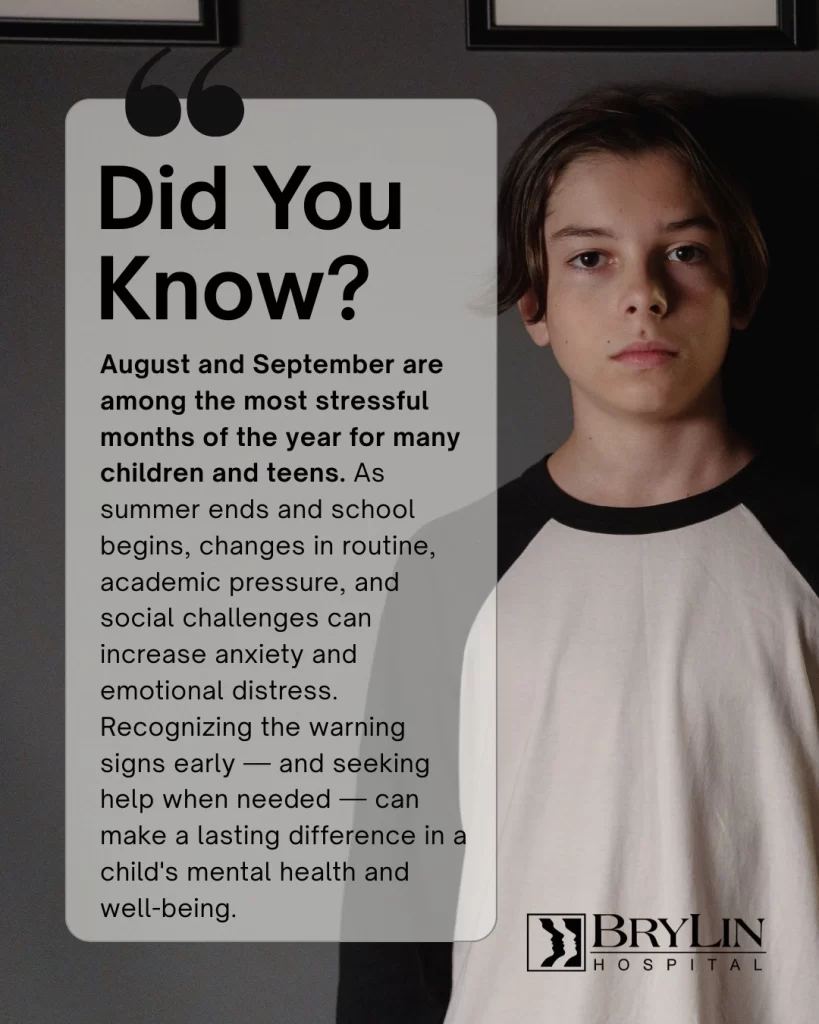
The transition back to school represents one of the biggest routine changes of the year. Even children who appeared happy and relaxed during the summer may become anxious as the first day of school approaches.
Common concerns include:
- Fear of academic performance
- Social anxiety or bullying
- Separation anxiety
- Difficulty adjusting to new schools or classrooms
- Changes in friendships
- Increased pressure from sports and extracurricular activities
Additionally, children already living with anxiety disorders, depression, ADHD, trauma, or other behavioral health conditions may experience worsening symptoms during August and September.
Parents should watch for changes such as:
- Increased irritability or emotional outbursts
- Withdrawal from family or friends
- Changes in sleep or appetite
- Loss of interest in favorite activities
- Frequent physical complaints like headaches or stomachaches
- Expressions of hopelessness or thoughts of self-harm
Most importantly, never ignore comments about wanting to die or hurt oneself. These statements should always be taken seriously.
Immediate Crisis Resources Available 24/7
If your child or teenager is experiencing a mental health crisis, help is available at any time.
National Crisis Resources:
- 988 Suicide & Crisis Lifeline — Call or text 988 to connect with a trained crisis counselor 24 hours a day. The service is free and confidential.
- The Trevor Project — LGBTQ+ youth can call (866) 488-7386 or text START to 678-678 for specialized crisis support.
- Crisis Text Line — Text HOME to 741741 to communicate with a trained crisis counselor by text message.
Behavioral Health Resources Throughout Western New York
Several organizations throughout Western New York provide emergency and ongoing behavioral health services for children and adolescents.
ECMC operates the region’s Comprehensive Psychiatric Emergency Program (CPEP), providing psychiatric evaluations and emergency behavioral health services for individuals experiencing acute psychiatric emergencies.
Oishei Children’s Hospital provides pediatric behavioral health evaluations, psychiatric consultations, and specialized treatment services for children and adolescents with complex mental health needs.
BestSelf Behavioral Health offers outpatient counseling, psychiatric services, case management, and children’s behavioral health treatment throughout Western New York. Their BestResponse Crisis Response Center is a first-of-its-kind, 24/7 crisis stabilization center in Western New York for children, adolescents, and adults experiencing mental health or substance use crises. BestResponse offers a calm, welcoming, trauma-informed environment where people can receive immediate support. Individuals can walk in at any time or be brought in for care. No appointment is needed.
BryLin Hospital: A Voluntary Alternative to the Emergency Department
Many families believe the emergency department is their only option during a psychiatric crisis. However, that is not always the case.
BryLin Hospital serves children (ages 5 and older), adolescents, and adults experiencing behavioral health crises. For individuals who recognize they need help and are willing to seek treatment voluntarily, BryLin may provide an alternative pathway to inpatient psychiatric care without first visiting a Comprehensive Psychiatric Emergency Program (CPEP).
The admissions process begins with a confidential telephone screening completed by experienced clinical staff. During this conversation, clinicians assess symptoms, safety concerns, medical history, and current needs to determine whether inpatient psychiatric hospitalization is appropriate.
If admission criteria are met, patients may be scheduled for admission directly to BryLin Hospital, often avoiding lengthy waits in a busy emergency department. Families can begin the process by calling BryLin Admissions at (716) 886-8200 ext. 2264.
Learn more about the admissions process here: Get Help for Yourself or Get Help for Family and Friends
Seeking help early can often prevent a mental health crisis from becoming even more serious.
Five Ways Parents Can Prepare Before School Starts
Although every child is different, preparation can significantly reduce anxiety during the transition back to school.
1. Schedule Mental Health Appointments Early
If your child already sees a therapist or psychiatrist, schedule appointments before school begins. This allows providers to adjust medications, review coping strategies, and prepare for new stressors.
2. Rebuild Healthy Routines
Begin shifting bedtime and morning schedules several weeks before school starts. Consistent sleep, healthy meals, and regular physical activity help regulate mood and improve emotional resilience.
3. Connect with the School
Reach out to your child’s guidance counselor, psychologist, social worker, or teacher before the first day of school. If your child has an Individualized Education Program (IEP) or a Section 504 Plan, review accommodations to ensure they remain appropriate.
4. Talk Openly About Feelings
Encourage honest conversations about worries and fears. Listening without judgment helps children feel supported and increases the likelihood they will ask for help when they need it.
5. Know Your Community Resources
Organizations like NAMI Buffalo & Erie County offer education, support groups, and valuable resources for families navigating mental health challenges. Becoming familiar with available services before a crisis occurs can make all the difference.
Hope Starts with Early Intervention
Every child experiences stress differently. While occasional nervousness about returning to school is normal, persistent anxiety, depression, or behavioral changes deserve attention.
Fortunately, families throughout Western New York have access to a wide range of behavioral health resources. Whether your child needs outpatient counseling, mobile crisis intervention, emergency psychiatric evaluation, or inpatient hospitalization, help is available.
At BryLin Hospital, compassionate professionals provide individualized psychiatric care designed to stabilize crises, support recovery, and help children, adolescents, and adults return safely to their families and communities.
If you are concerned about someone you love, don’t wait. Early intervention can change the course of recovery — and sometimes save a life.

Comments are closed