

Depression Awareness Month: Recognize the Signs, Start the Conversation and Find Hope
October is Depression Awareness Month, an important opportunity to talk openly about depression, recognize its warning signs and remind people throughout Western New York that they do not have to struggle alone.
Depression can affect anyone. It can touch children, teenagers, adults and older adults. It can affect our family members, friends, coworkers and neighbors. Most importantly, depression is a real health condition, and effective treatment is available.
At BryLin Hospital, we believe awareness matters because recognizing when someone is struggling can be the first step toward getting help. A conversation can open a door. Reaching out can create connection. And seeking treatment can help someone begin moving toward recovery.
Depression Is More Than Feeling Sad
Everyone experiences sadness, disappointment or difficult days. Depression, however, goes beyond the normal ups and downs of life.
According to the National Institute of Mental Health (NIMH), depression can cause significant symptoms that affect how a person feels, thinks and manages everyday activities. For example, depression may interfere with sleeping, eating, working, attending school or maintaining relationships.
Furthermore, depression does not always look like sadness. Some people become withdrawn. Others may appear irritable, angry or exhausted. Still others may continue going to work or school while privately experiencing significant emotional pain.
Because depression can look different from one person to another, knowing the signs is important.

Recognizing the Signs of Depression
Symptoms vary, but common signs of depression may include:
- Persistent sadness, anxiety or an “empty” mood
- Feelings of hopelessness or pessimism
- Irritability, frustration or restlessness
- Feelings of guilt, worthlessness or helplessness
- Loss of interest in activities that were once enjoyable
- Fatigue or a noticeable lack of energy
- Difficulty concentrating or making decisions
- Changes in sleep patterns
- Changes in appetite or weight
- Withdrawal from family and friends
- Thoughts about death, suicide or self-harm
Not everyone with depression experiences every symptom. In addition, the severity, frequency and duration of symptoms can vary. However, when symptoms persist or begin interfering with daily life, it may be time to speak with a health care or mental health professional.
The Connection Between Depression and Suicide
Depression is a significant risk factor for suicidal thoughts and behaviors. However, suicide is complex and usually involves several interacting risk factors. Therefore, it is important not to assume that everyone experiencing depression is suicidal.
At the same time, we should always take thoughts or statements about suicide seriously.
Warning signs may include talking about wanting to die, feeling hopeless or trapped, believing that one is a burden to others, withdrawing from loved ones, giving away important possessions, displaying extreme mood changes or researching ways to die.
Most importantly, if someone talks about suicide, do not ignore it or assume that the person is simply seeking attention. Listen without judgment and help connect that person with appropriate support.
Depression Is Treatable
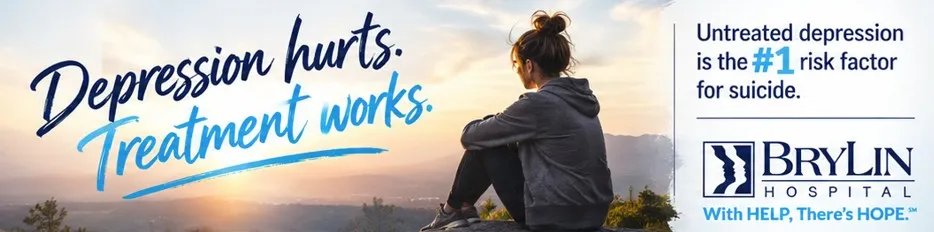
One of the most important messages during Depression Awareness Month is also one of the simplest: depression is treatable.
Treatment depends on the individual and the severity of the illness. For many people, treatment may include psychotherapy, medication or a combination of both. In addition, other treatments may help people living with severe or treatment-resistant depression.
For example, BryLin Hospital provides Electroconvulsive Therapy (ECT) for appropriate individuals with serious mental health conditions, including some forms of severe or treatment-resistant depression.
There is no single treatment plan that works for everyone. Therefore, individuals should work with qualified health care professionals to determine the approach that best meets their needs.
Sometimes a Mental Health Crisis Requires Immediate Care
For some individuals, symptoms can become severe enough that outpatient care alone may not provide the level of support they need. A person may experience suicidal thoughts, severe changes in functioning or another acute psychiatric crisis.
In those situations, short-term inpatient psychiatric hospitalization may provide a safe and structured setting for evaluation, stabilization and treatment.
BryLin Hospital provides short-term inpatient psychiatric care for children, adolescents and adults experiencing an acute mental health crisis.
Our multidisciplinary treatment teams work with patients and families to stabilize the immediate crisis and develop an appropriate plan for continued care after hospitalization.
*Contact BryLin Hospital or learn how to Get Help today.
What Can You Do During Depression Awareness Month?
Awareness begins with how we treat the people around us. Therefore, each of us can play a role in creating a community where asking for mental health help feels safe.
Check in. If someone seems different, withdrawn or overwhelmed, ask how they are doing. More importantly, give them time to answer.
Listen. You do not need to have all the answers. Sometimes listening without judgment is one of the most meaningful ways to support someone.
Start the conversation. Talking about mental health helps reduce stigma. As a result, people may feel more comfortable asking for help earlier.
Encourage professional help. If symptoms persist, worsen or interfere with everyday life, encourage the person to speak with a qualified health care professional.
Take suicide warning signs seriously. If someone is talking about suicide or showing concerning warning signs, help them connect with immediate support.
If You or Someone You Love Is Struggling
You do not have to wait until a situation becomes unbearable before asking for help.
If you or someone you know is struggling emotionally or experiencing a mental health crisis, reach out to a trusted health care professional. You can also learn more about depression through the National Institute of Mental Health.
If you or someone you know is experiencing suicidal thoughts or emotional distress, call or text 988 to reach the 988 Suicide & Crisis Lifeline. The service provides free, confidential support 24 hours a day, seven days a week.
If there is an immediate, life-threatening emergency, call 911 or go to the nearest emergency department.

With HELP, There’s HOPE
Depression Awareness Month reminds us that we may never fully know what someone else is carrying.
Therefore, check in on the people you care about. Make room for honest conversations. Learn the warning signs. Most importantly, remind people that asking for help is a sign that something needs attention—not something that should cause shame.
Depression can make the future feel hopeless. However, how someone feels today does not determine how they will always feel. Treatment and support can make a meaningful difference.
At BryLin Hospital, we want individuals and families throughout Western New York to remember one important message:
You’re Not Alone.
With HELP, There’s HOPE℠.

Comments are closed